
Designing Shared Understanding for Human Robot Teams
Building trust and transparency into robotics for integrated human-robot teams of the future
July 2024 - Present
As our innovation lab develops expertise in robotics and the technology develops, a new challenge has been emerging: how do humans and robots communicate and build a shared understanding across each other to work effectively together? As the sole HRI researcher in our team, I’ve been developing practical frameworks to answer that question.
The ChallengeUnderstanding the systemThe ArtifactsUnpredictable climate challenges, the growth in daily flyers and evolving fleet and fuel technologies are raising the demands on the aviation industry. Robotics continues to be a research area to support these increasingly complex operations. But even when the technical capability reaches the needs of the industry, where are the right opportunities to apply it? Our current operations are optimized thanks to human intuition, team communication and the lived experience of our employees.
As robotic maturity increases, how do you design systems to be understandable, teachable and collaborative with human-led teams?
The ImpactRobotics and embodied AI systems are opaque by default. How do you understand what the robot is doing and why? When do you rely on it and when do you need to take over? Too little trust and the system will be disruptive, rejected and our investment wasted. Too much trust and the system will be relied on in circumstances it wasn’t built for.
For seamless robotics-assisted operations, there are more requirements than simply technical capabilities. People need enough visibility into robot intent, status and limitations while robots need to recognize human roles, responsibilities and communication flows. There needs to be a way for human and robot to understand each other, despite running on two entirely different operating and systems speaking two separate languages.
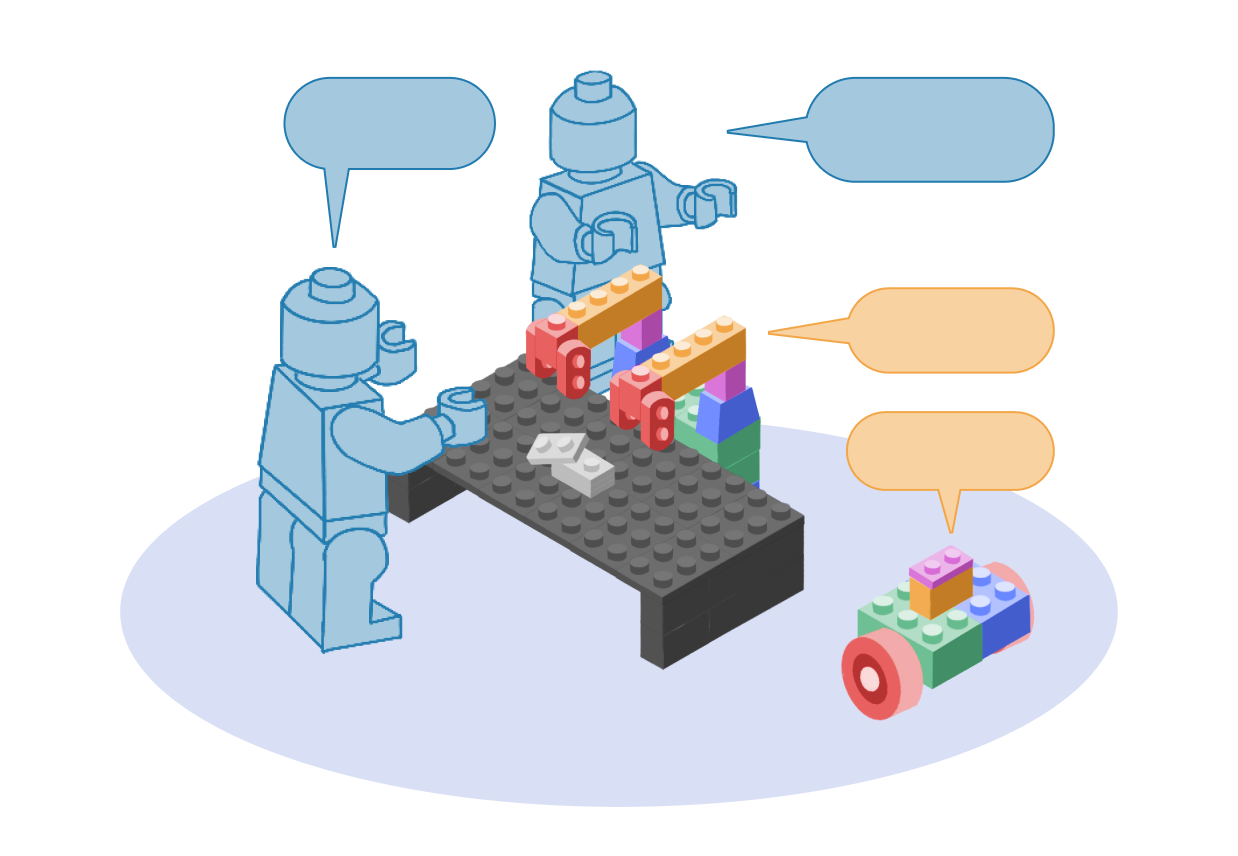
Illustrative representations of HRI testing, communication flows, roles, transparency
So What?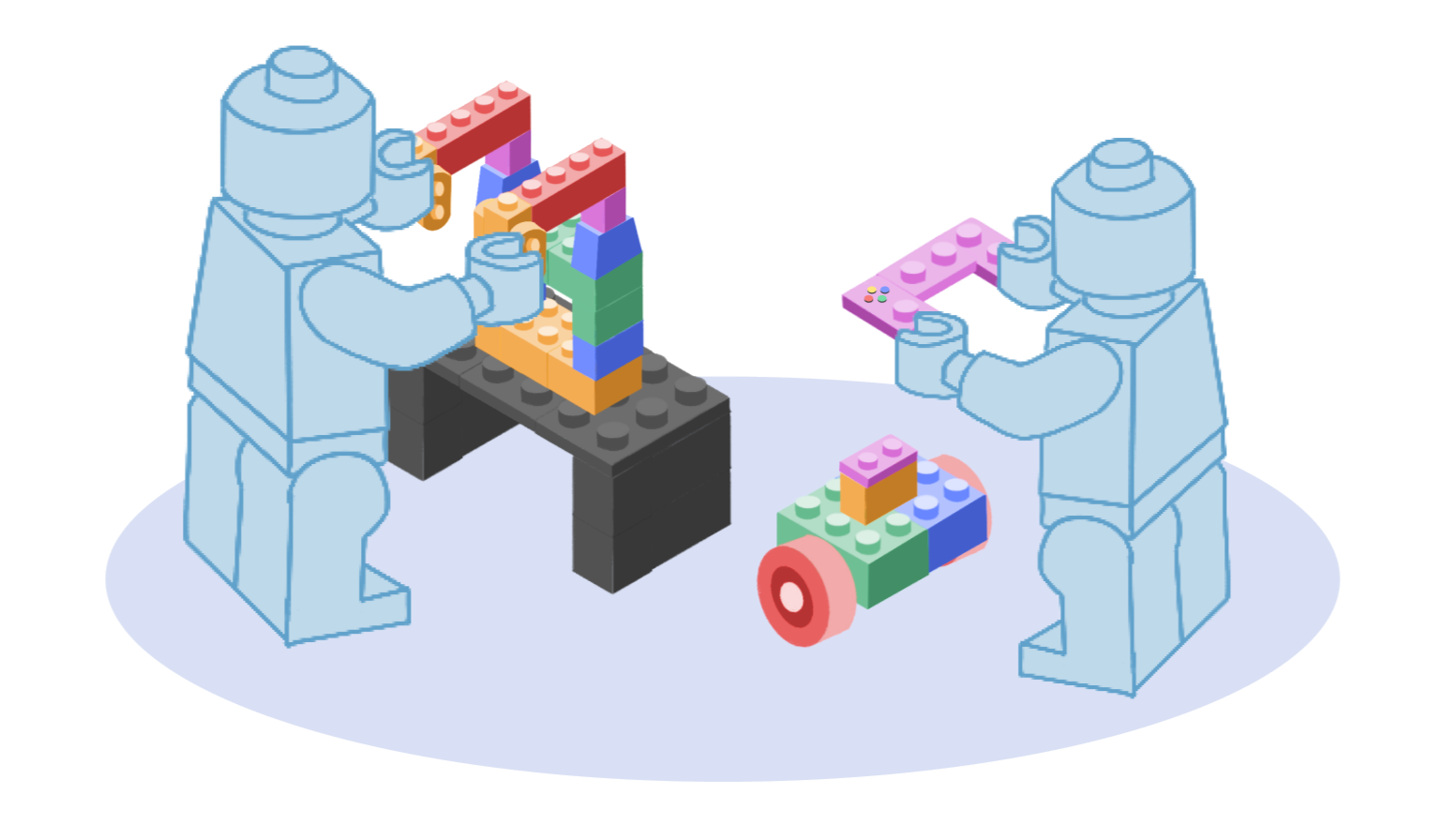
Our lab uses prototyping and demonstrations to drive R&D. This helps us iterate faster, critique more rigorously, and grounds us in reality while thinking about the future. As the sole HRI researcher, my work has been focused on how different mechanisms can build the shared understanding that humans and robots need to collaborate effectively.
My research spans multiple strategies to address this, such as machine-native systems (e.g: screens, lighting patterns, audio cues), as well as more human-like ones (e.g: voice interactions, personality systems, facial expressions). I’ve investigated how these systems can be intentionally shape communication flows, trust and transparency, mental models and shared workflows. I’ve built working prototypes to test these concepts directly, and storyboards to ground these in real operational scenarios.
Temporary developer associates helped build the software foundation, but after their roll-off, I’ve been able to leverage AI tools to build on their groundwork directly. I’ve been able to prototype and iterate on the interaction flows myself without being limited by developer availabilities. This has also given me a much clearer, hands-on sense of what custom robotics development actually requires.


Sample prototypes of expressive robotic communication systems